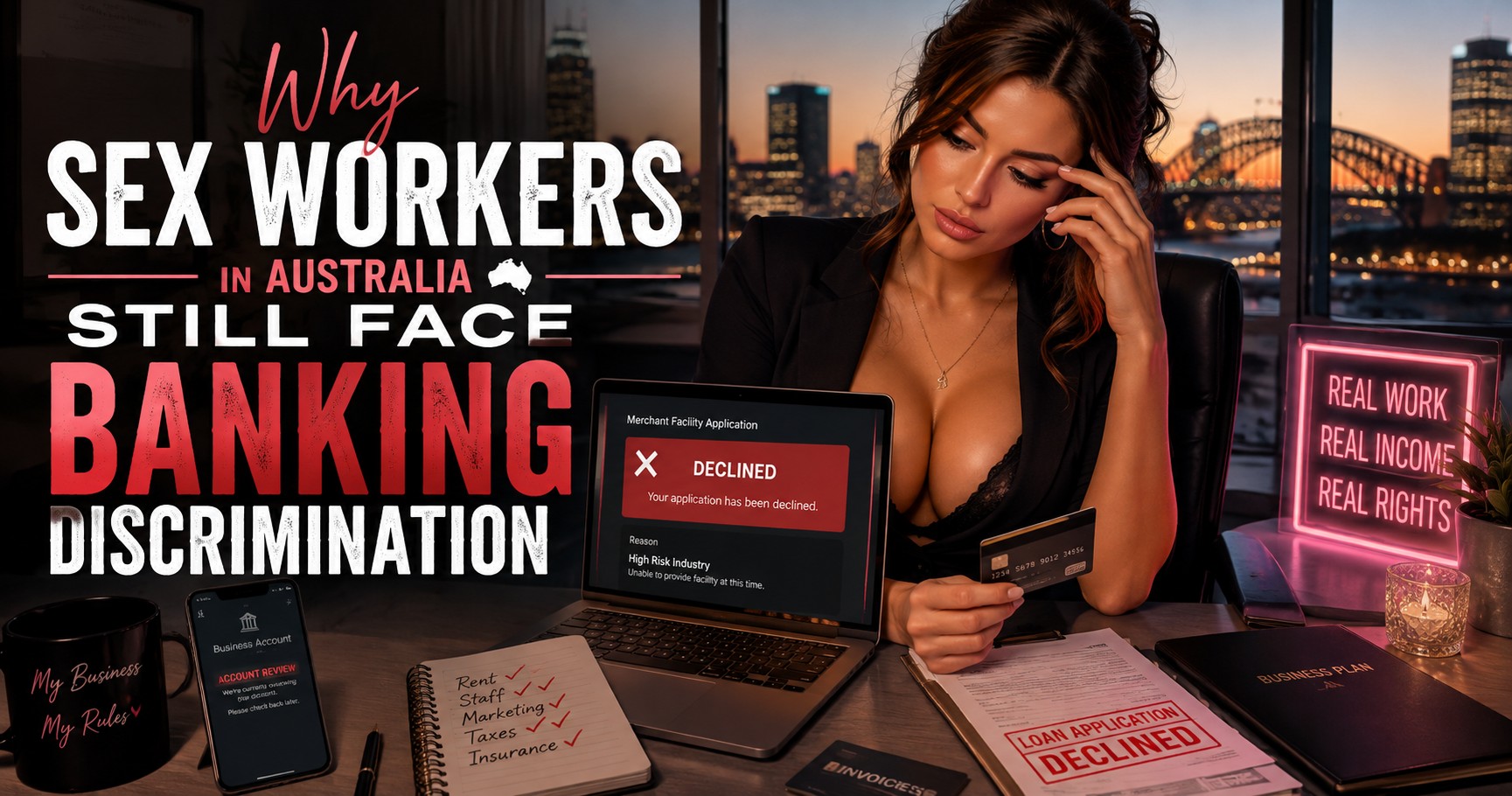

From Kings Cross to Fyshwick
Mention the words red light district and most people picture neon signs, late-night bars, adult clubs and streets that seem to change character once the sun goes down.
Australia has certainly had places that fit that image. But the story here is a little more complicated.
Unlike some overseas cities, Australian capitals generally do not have clearly defined, officially branded red light districts. Instead, certain suburbs and entertainment precincts became associated with sex work, brothels, strip clubs, nightlife and after-dark culture over decades.
Some of those reputations remain. Others have changed dramatically through redevelopment, new liquor laws, changing sex-work legislation and gentrification.
So, where are Australia's best-known historic red light districts, and what are they like today?
Does Australia Still Have Red Light Districts?
Yes, but mostly in the informal or historical sense.
A neighbourhood might be called a red light district because of its past concentration of brothels, adult entertainment venues, street-based sex work or late-night businesses. That does not necessarily mean the entire suburb operates that way today.
It is also important to remember that sex-work laws are not uniform across Australia. States and territories set their own rules, meaning what is legal or regulated in Victoria may be treated differently in South Australia, Western Australia or the ACT.
For a broader explanation, our guide to Australian sex work laws, safety and industry realities covers the differences in more detail.
Sydney: Kings Cross
Australia's most famous historic red light district
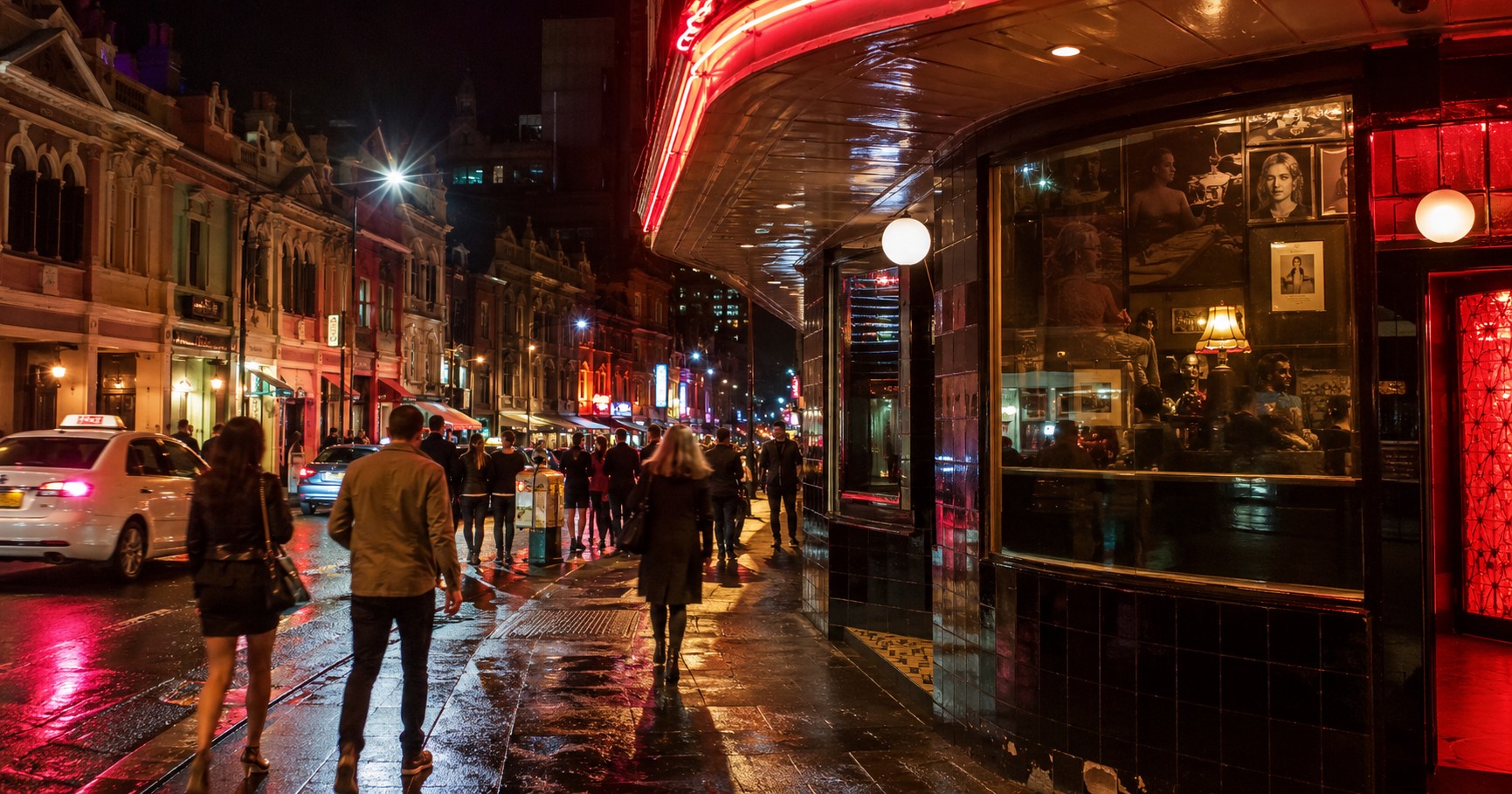
Few Australian neighbourhoods are as closely associated with the term red light district as Kings Cross.
For much of the twentieth century, "The Cross" became known for nightclubs, bars, adult entertainment, bohemian culture and Sydney's sex industry. Its reputation became particularly strong from the 1960s onwards, when the area attracted tourists, entertainers and international service members.
Modern Kings Cross is different.
Sydney's 2014 lockout laws had a major impact on the precinct's nightlife economy. Restrictions were gradually removed, with the NSW Government removing the remaining major Kings Cross lockout conditions in January 2026.
Today, Kings Cross is a mix of apartments, restaurants, bars, hotels, and nightlife, rather than the concentrated adult district many older Sydneysiders remember.
Readers looking beyond the area's history can explore current Sydney escort listings across Kings Cross, the CBD, Eastern Suburbs, Parramatta and the wider metropolitan area. EscortLocate currently organises Sydney listings across these areas rather than around a single traditional red-light precinct.
Melbourne: St Kilda
St Kilda's connection with Melbourne's sex industry stretches back generations.
During the twentieth century, street-based sex work became particularly visible around sections of St Kilda, creating an association that remains part of the suburb's cultural history. Victorian government archival material notes that street soliciting was heavily concentrated in St Kilda by the 1980s.
But St Kilda has never been only about adult entertainment.
It is equally known for its beach, live music, pubs, cafés, restaurants and alternative culture. That mix is precisely what made the area different from a purpose-built entertainment strip.
The legal environment has changed, too. Victoria decriminalised sex work through reforms introduced in stages during 2022 and 2023, replacing the previous licensing model and bringing sex-work businesses under more general workplace and planning rules.
Those researching today's scene can browse Melbourne escorts and independent escorts, while our Australia escort guide provides a wider context on cities, booking practices and safety.
Brisbane: Fortitude Valley
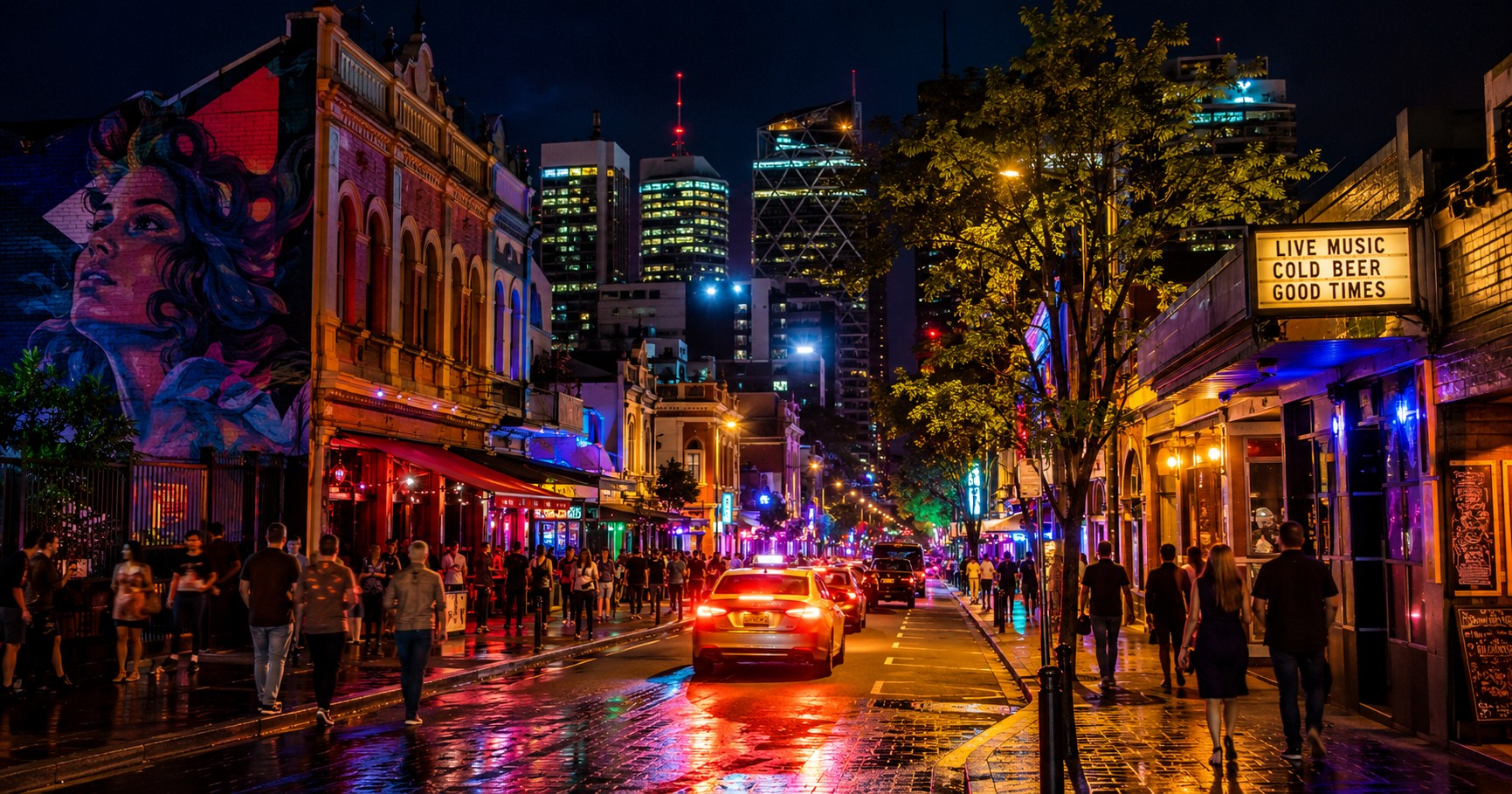
Fortitude Valley — normally shortened simply to The Valley — has long been Brisbane's best-known after-dark precinct.
Its history includes pubs, music venues, nightclubs, alternative culture and an entertainment industry that developed around Ann Street, Brunswick Street and surrounding laneways. Brisbane City Council's heritage material traces the Valley's transformation from a nineteenth-century commercial centre into a major entertainment and cultural precinct.
Calling Fortitude Valley, Brisbane's official red-light district, an oversimplification, however. Today, it is much more accurately described as a nightlife district.
Queensland's adult-industry environment has also changed significantly. Sex work was decriminalised in Queensland from 2 August 2024, removing the previous brothel licensing system and moving businesses towards the regulatory frameworks applying to other businesses.
Perth: Northbridge
Across the country, Northbridge fills a similar role for Perth.
Located immediately north of Perth CBD, it has long packed restaurants, pubs, clubs, live music, late-night venues and entertainment into a relatively compact neighbourhood.
The City of Perth itself describes Northbridge as Perth's "entertainment capital", highlighting its nightlife, arts, food and multicultural history.
Adult-oriented businesses have formed part of that broader after-dark landscape, but Northbridge today is far more diverse than the phrase "Perth red light district" suggests.
Adelaide: Hindley Street
Hindley Street has been Adelaide's most recognisable nightlife strip for decades.
Its mixture of nightclubs, pubs, late-night food, live entertainment and historically adult-oriented venues has given it a colourful reputation.
Yet Adelaide demonstrates why the phrase Australian red light district can be misleading.
South Australia's legal framework for sex work has historically been more restrictive than that of several eastern states, and reform has remained an active political issue. A new decriminalisation bill was introduced in 2025, illustrating how different South Australia's regulatory history has been from Victoria or Queensland.
Hindley Street is therefore best understood as an adult nightlife and entertainment precinct rather than a formally recognised brothel district.
Darwin: Mitchell Street
Darwin puts its own tropical spin on after-dark entertainment.
Mitchell Street runs through the CBD and is packed with accommodation, bars, restaurants and late-night venues catering to locals, backpackers, interstate workers and tourists.
City planning materials have identified the surrounding area as an Entertainment Precinct, reflecting the concentration of bars, dining, and tourist-oriented nightlife.
The Northern Territory also operates under its own sex industry legislation, so assumptions based on Sydney or Melbourne should not automatically apply to Darwin. The current Sex Industry Act 2019 remains in force.
Canberra: Fyshwick and Mitchell
Canberra may offer Australia's clearest example of adult businesses being geographically concentrated by regulation.
Fyshwick has long been associated with adult shops, brothels and other adult businesses alongside warehouses, automotive businesses and industrial properties.
Today, however, Fyshwick is not the only designated area.
Access Canberra states that registered commercial brothels may operate in Fyshwick and Mitchell, making the ACT situation more formally defined than many Australian cities.
That regulatory history helps explain why searches for Canberra's red light district continue to centre on Fyshwick.
For current listings outside the historical discussion, the Canberra escort directory provides location-based profiles across the ACT. EscortLocate currently lists Canberra as one of its major Australian cities.
Why Australia's Red Light Districts Keep Changing
Red light districts rarely stay frozen in time.
Property development pushes rents upwards. New residents arrive. Clubs close. Hotels open. Planning laws change. Governments reform alcohol regulation and sex-work legislation. Online advertising also means adult services no longer need to cluster on a single street to be discoverable.
That is perhaps the biggest difference between the historic Australian sex industry and its modern equivalent.
A person looking for adult services today is much more likely to search online by suburb, availability, or service type than to walk through a traditional red-light district in search of somewhere suitable.
The Map Has Changed, but the History Remains
Australia's famous red light areas tell a broader story about how its cities have evolved.
Kings Cross moved from a notorious nightlife hub towards a more mixed residential and entertainment precinct. St Kilda retained its alternative identity while Victoria completely reworked its sex-work laws. Fortitude Valley and Northbridge became broad entertainment destinations, while Fyshwick remains closely connected with Canberra's regulated adult industry.
So while the flashing red lights may be harder to find, the history is still written into these neighbourhoods.
Understanding history gives a much more accurate picture of red-light districts in Australia than simply looking at the busiest strip of adult venues.
Suggested FAQ
Does Australia have official red light districts?
Generally, no. Most Australian "red light districts" are informal or historical labels applied to areas associated with adult entertainment, nightlife or sex work. Specific planning and business rules vary between states and territories.
What is Australia's most famous red light district?
Kings Cross in Sydney is probably the best-known historic example. It became strongly associated with nightlife and adult entertainment during the twentieth century, although the modern neighbourhood is much more mixed.
Is Kings Cross still a red light district?
Not in the way it once was. Kings Cross still has nightlife, but redevelopment, changing demographics and regulatory changes have transformed the precinct considerably.
Is St Kilda Melbourne's red light district?
St Kilda has a long historical association with street-based sex work, but modern St Kilda is primarily a diverse beachside entertainment, residential and cultural suburb.
Where can brothels operate in Canberra?
Current ACT regulations allow registered commercial brothels to operate in the industrial suburbs of Fyshwick and Mitchell.